
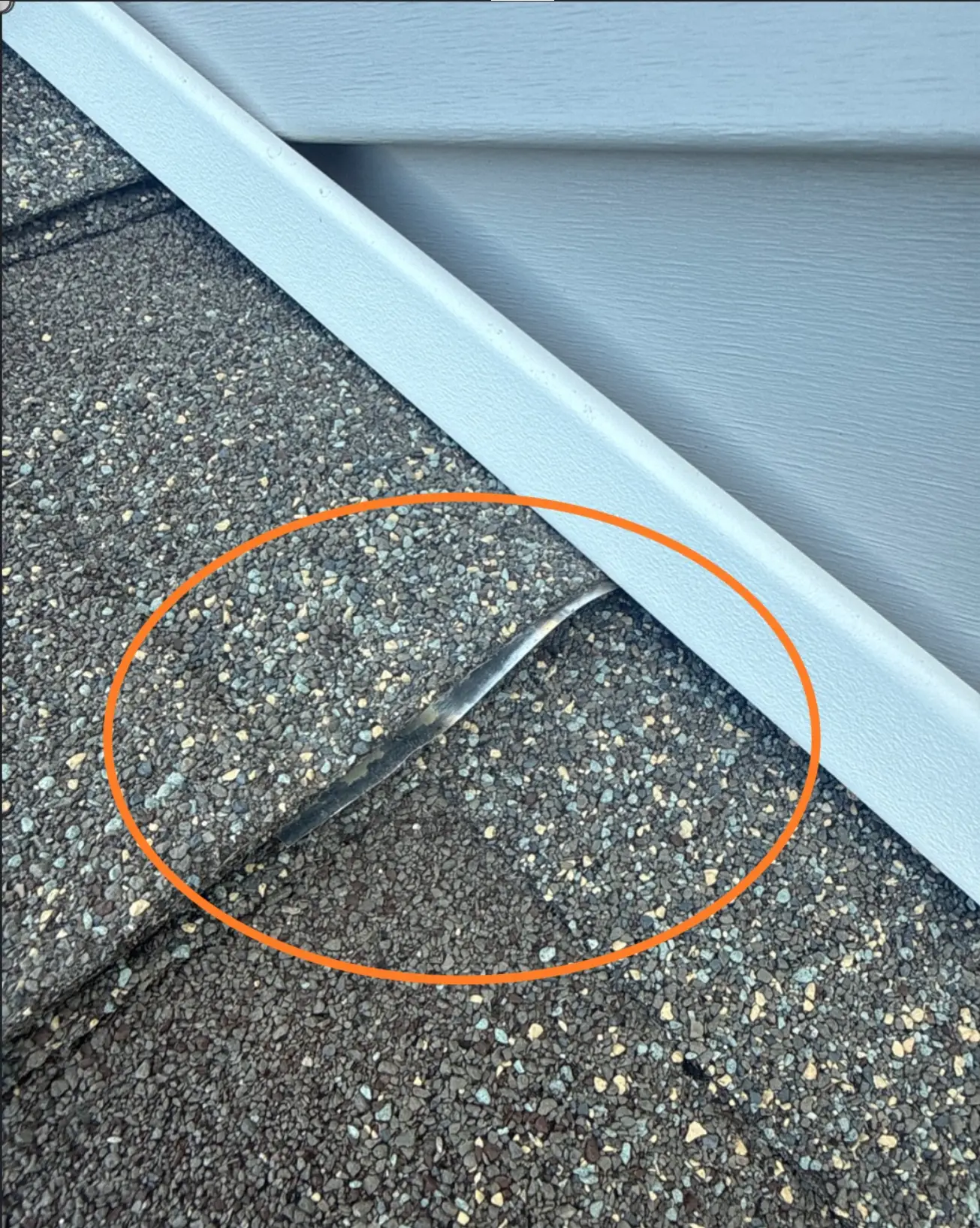
Improperly Positioned Step Flashing
A section of step flashing is extending beyond the shingle edge. Flashing should be fully covered by the shingle layer to help direct water properly.
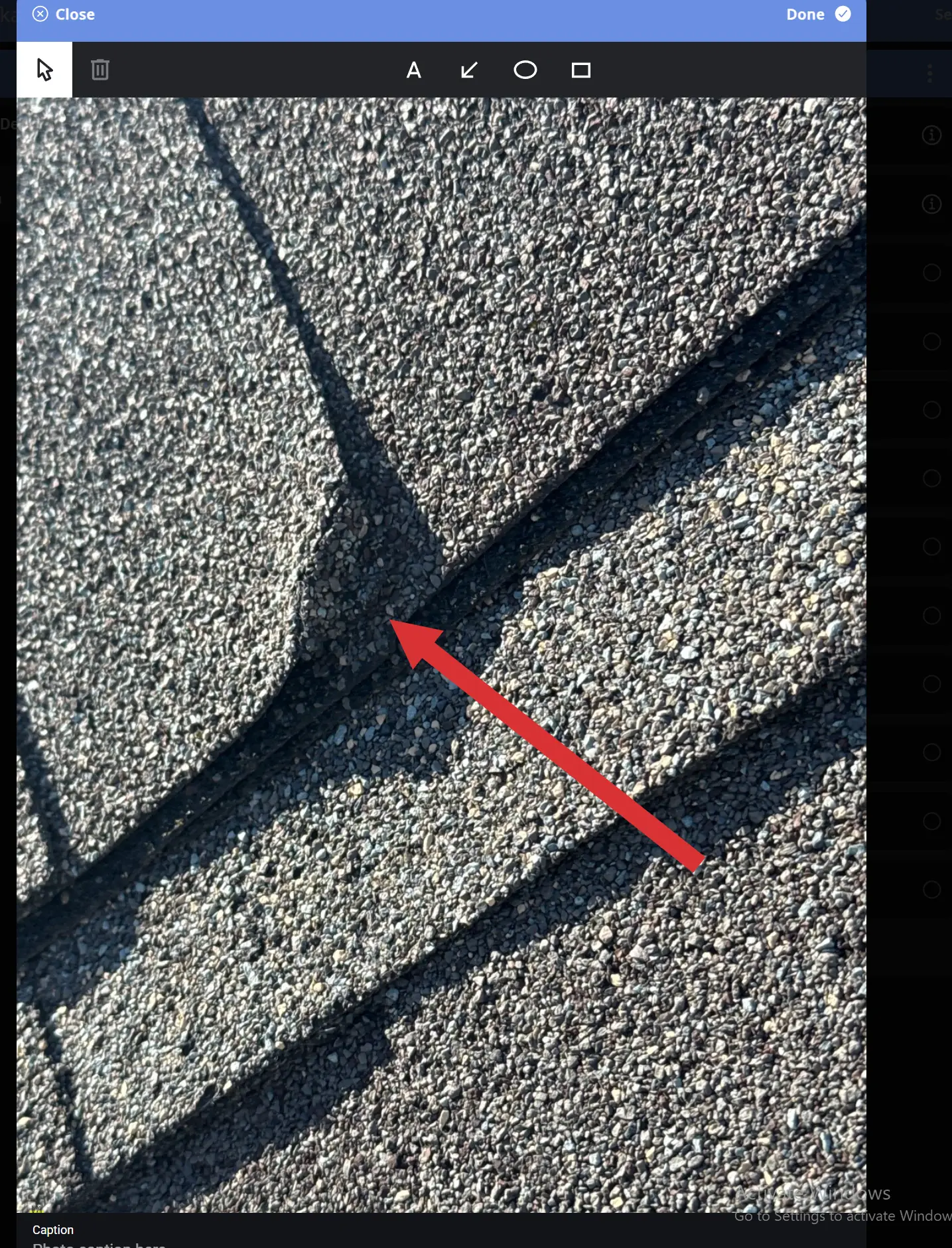
Bent Roof Shingle Corner
A roof shingle has a bent corner at the lower edge. Bent or lifted shingle corners can allow wind to catch the material and may reduce proper water shedding.
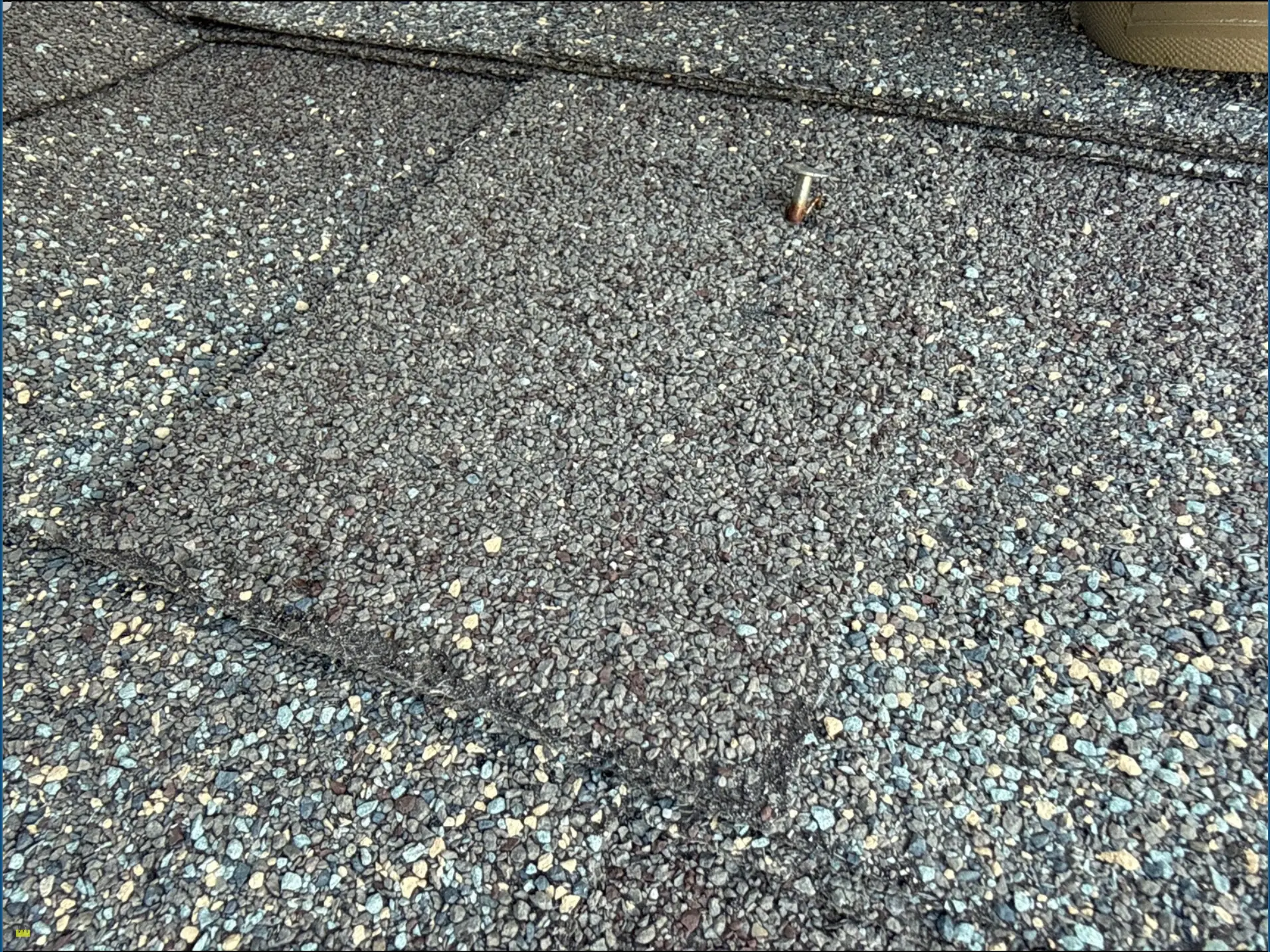
Exposed Roofing Nail
Nail driven through shingle and raised above surface.
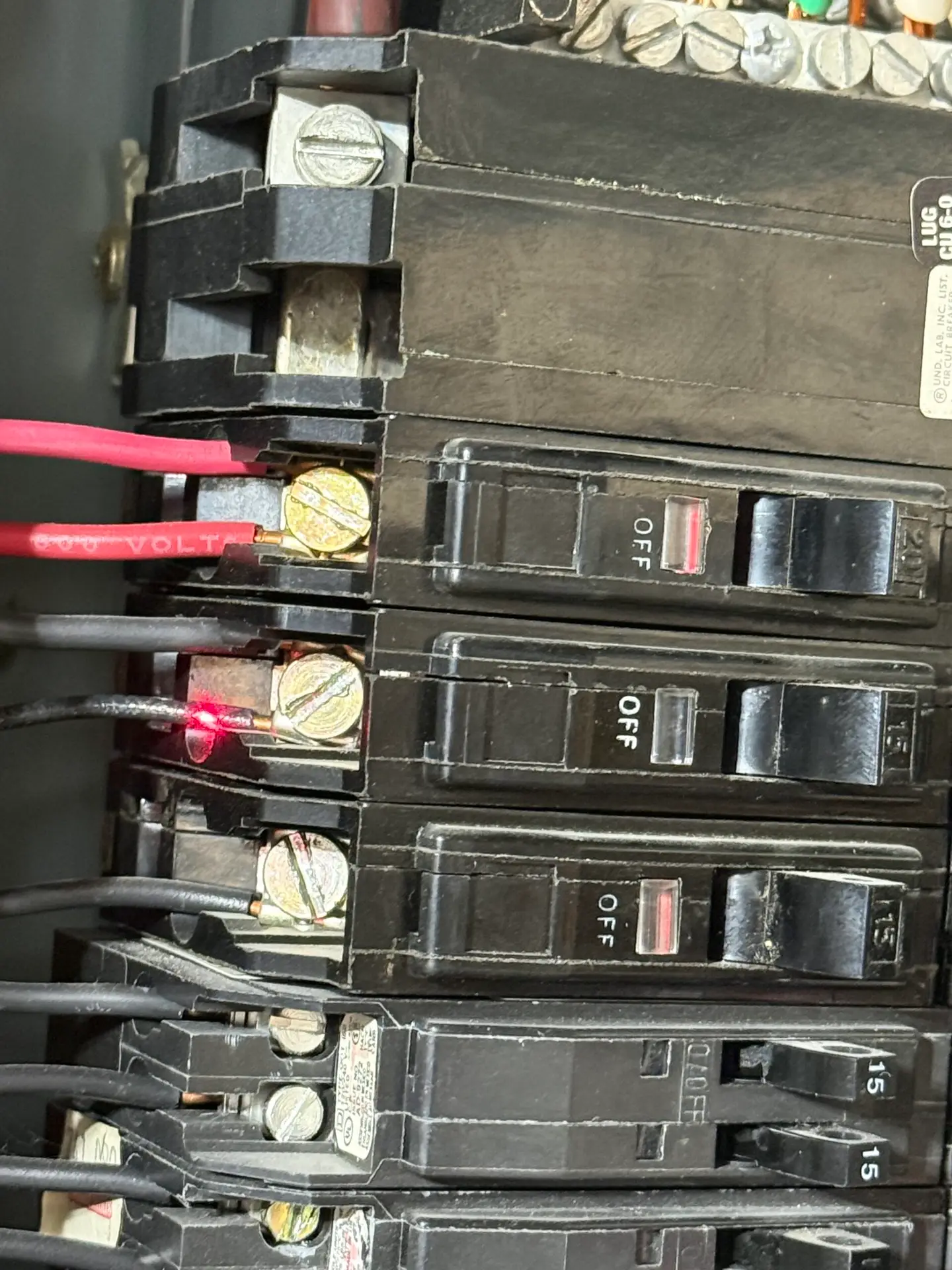
Double‑Tapped Breaker with Mismatched Wire Gauges
Two conductors of different wire gauges are connected to the same breaker terminal. Breakers are typically designed for a single conductor unless rated otherwise.
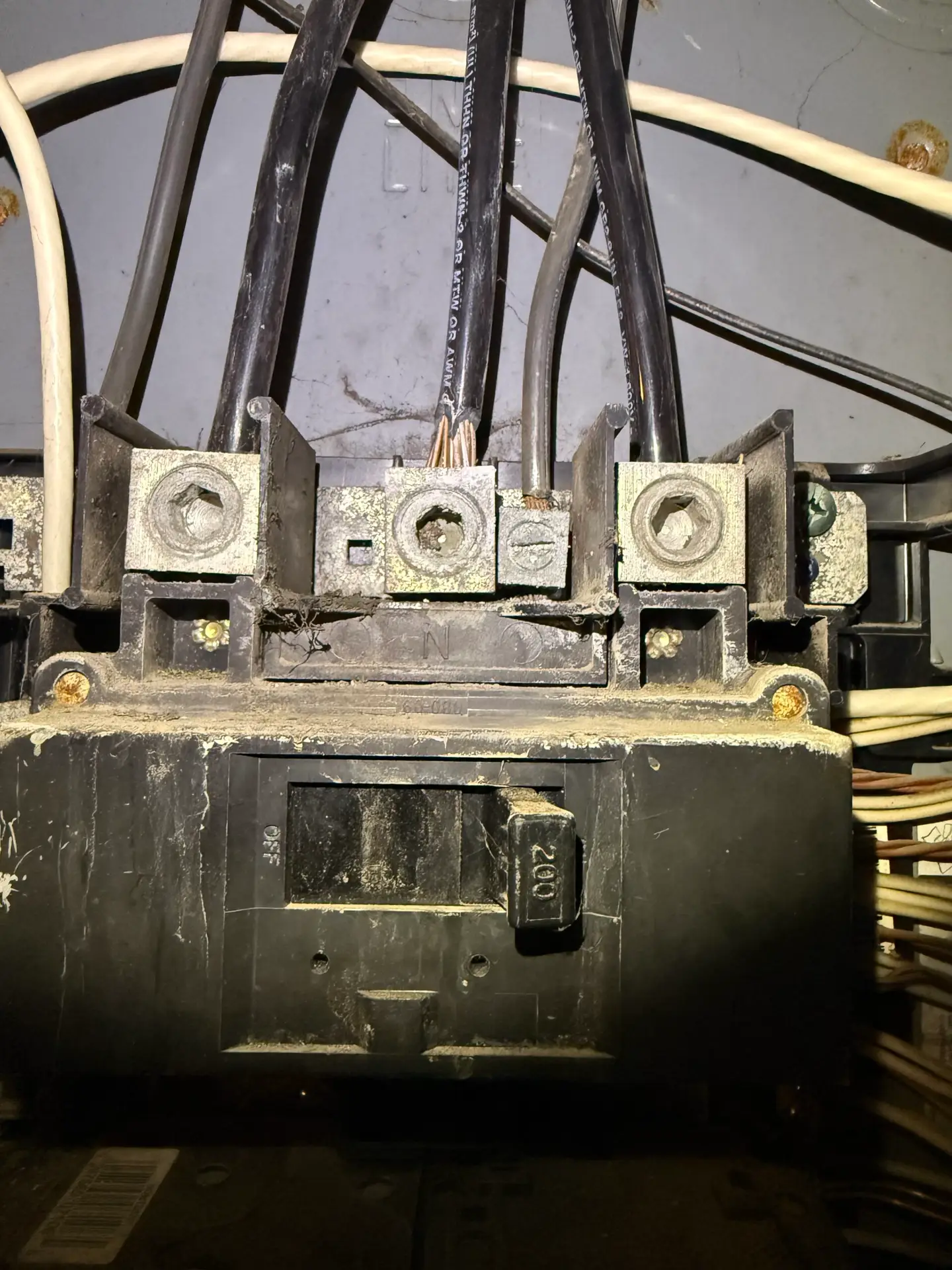
Corrosion Inside Electrical Panel
Corrosion is visible on components inside the electrical panel. Corrosion can affect electrical connections over time and should be evaluated to ensure proper performance.
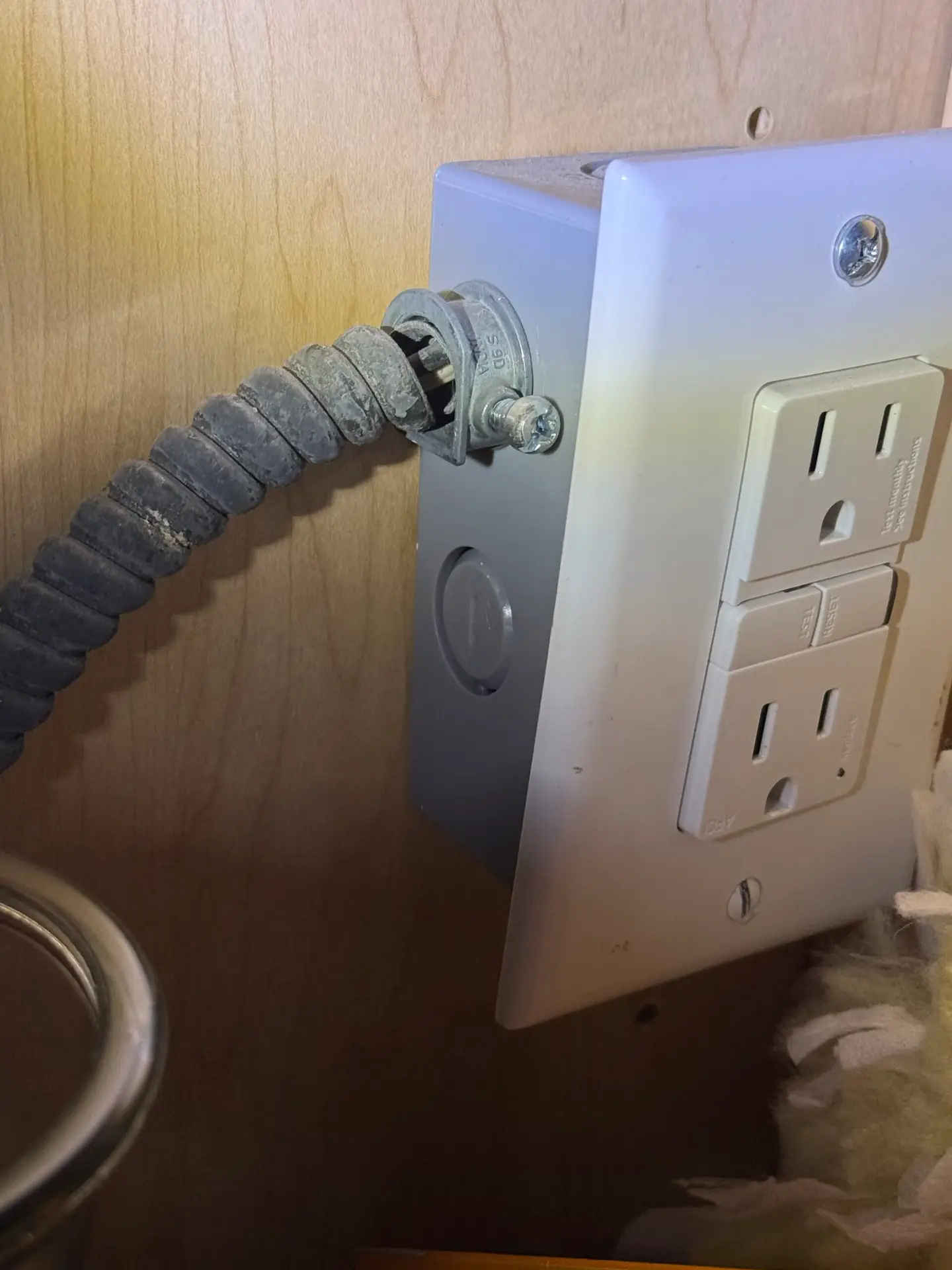
Exposed Wiring Under Kitchen Sink
A section of electrical wiring is exposed beneath the kitchen sink. Wiring in cabinet areas should be properly secured and protected to reduce the chance of physical damage.
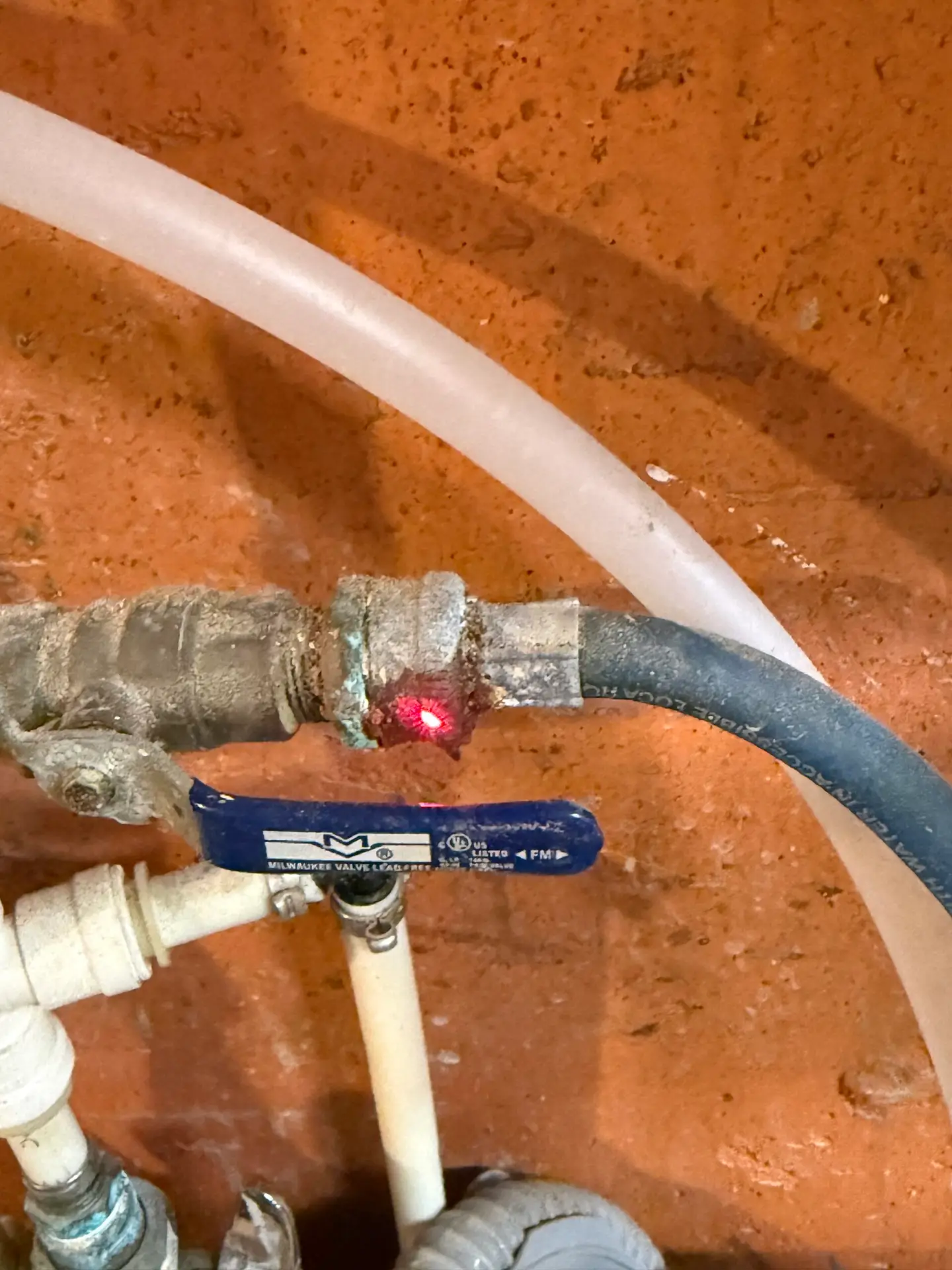
Corroded Water Line with Active Leak
Moisture was observed on a corroded water supply line, indicating an active leak. Corrosion and active moisture can affect the performance of the connection and should be evaluated to prevent further deterioration.
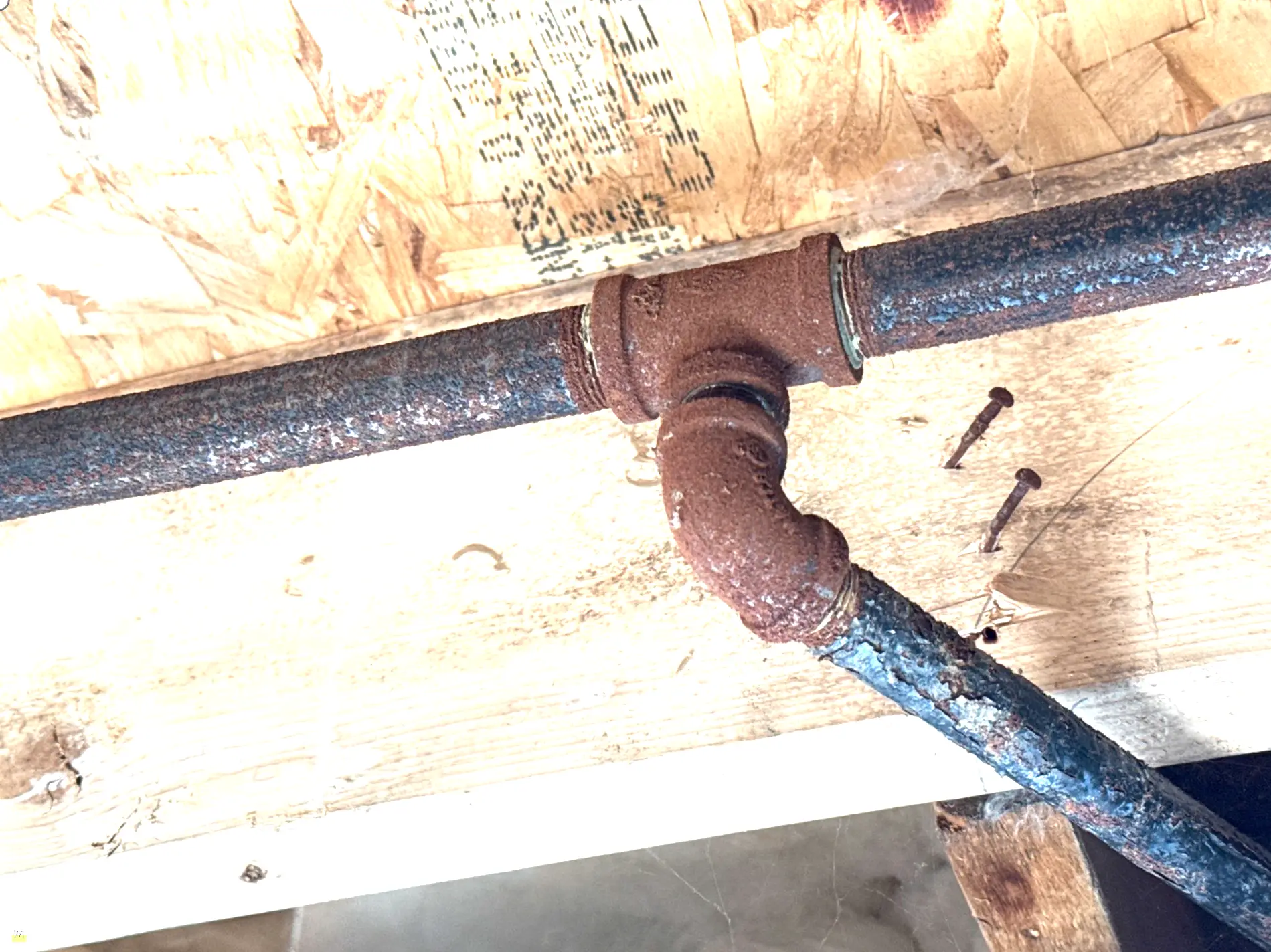
Corroded Gas Line with Flaking Material
Heavy corrosion and flaking rust were observed on the black iron gas piping. Flaking indicates deeper deterioration of the metal surface and should be evaluated to ensure the piping remains properly protected.
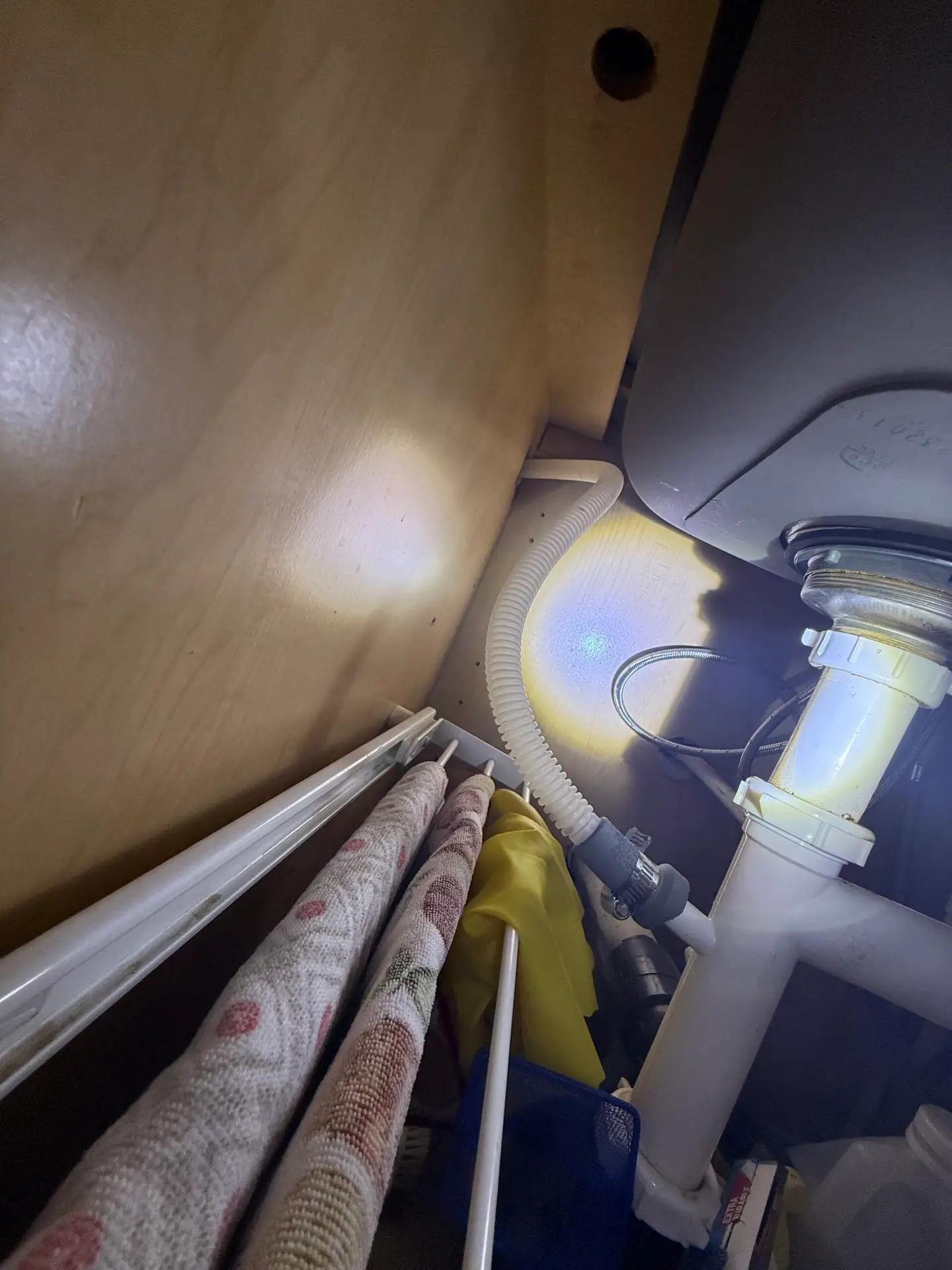
Dishwasher Drain High Loop Installed Too Low
The dishwasher drain line high loop is installed lower than recommended. A properly elevated high loop helps reduce the chance of wastewater flowing back into the dishwasher.
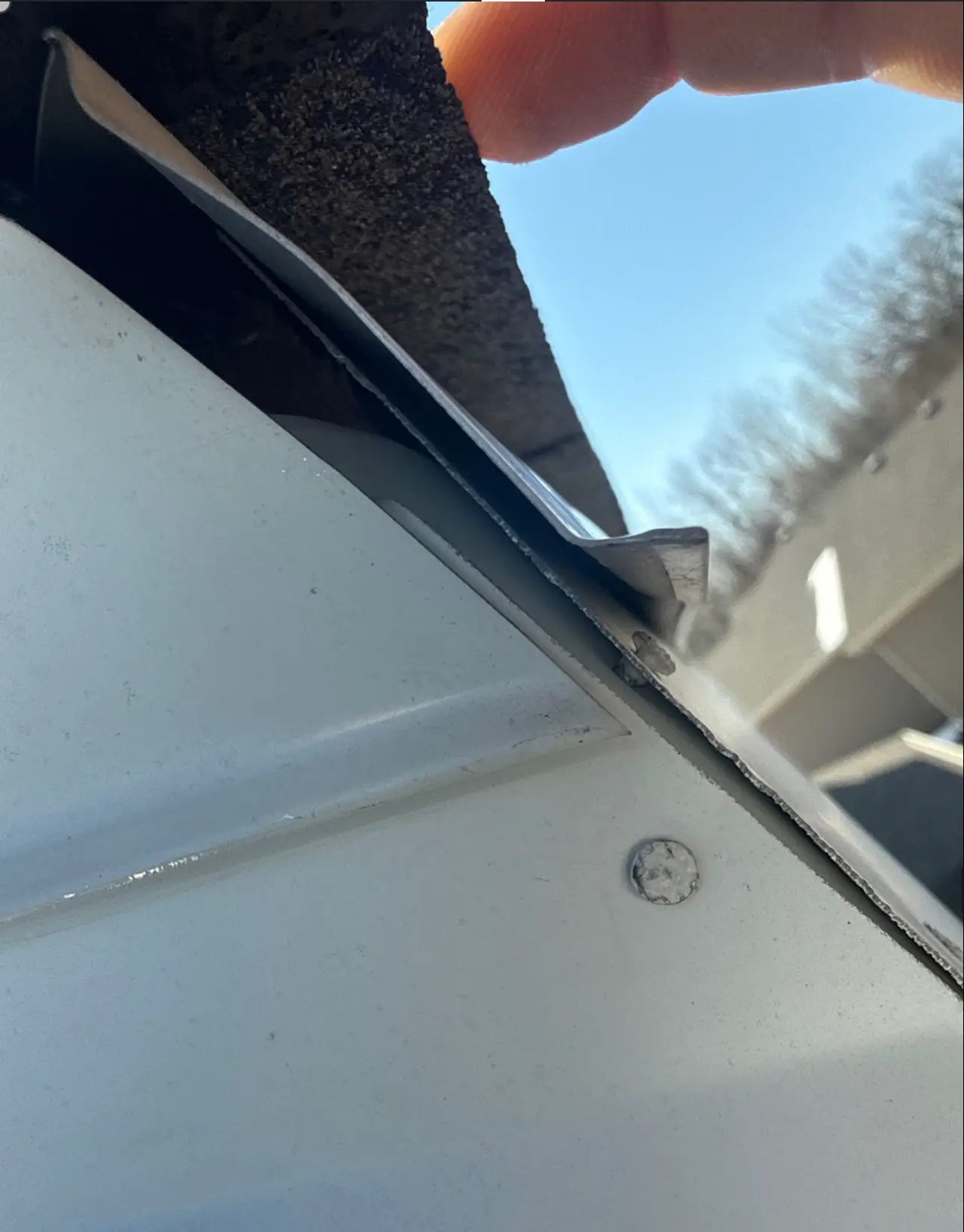
Open Fascia Corner Exposing Wood Framing
A section of fascia metal is not fully enclosing the corner, leaving the underlying wood framing exposed. Open fascia corners can allow moisture to reach the wood and should be properly finished to provide full coverage.
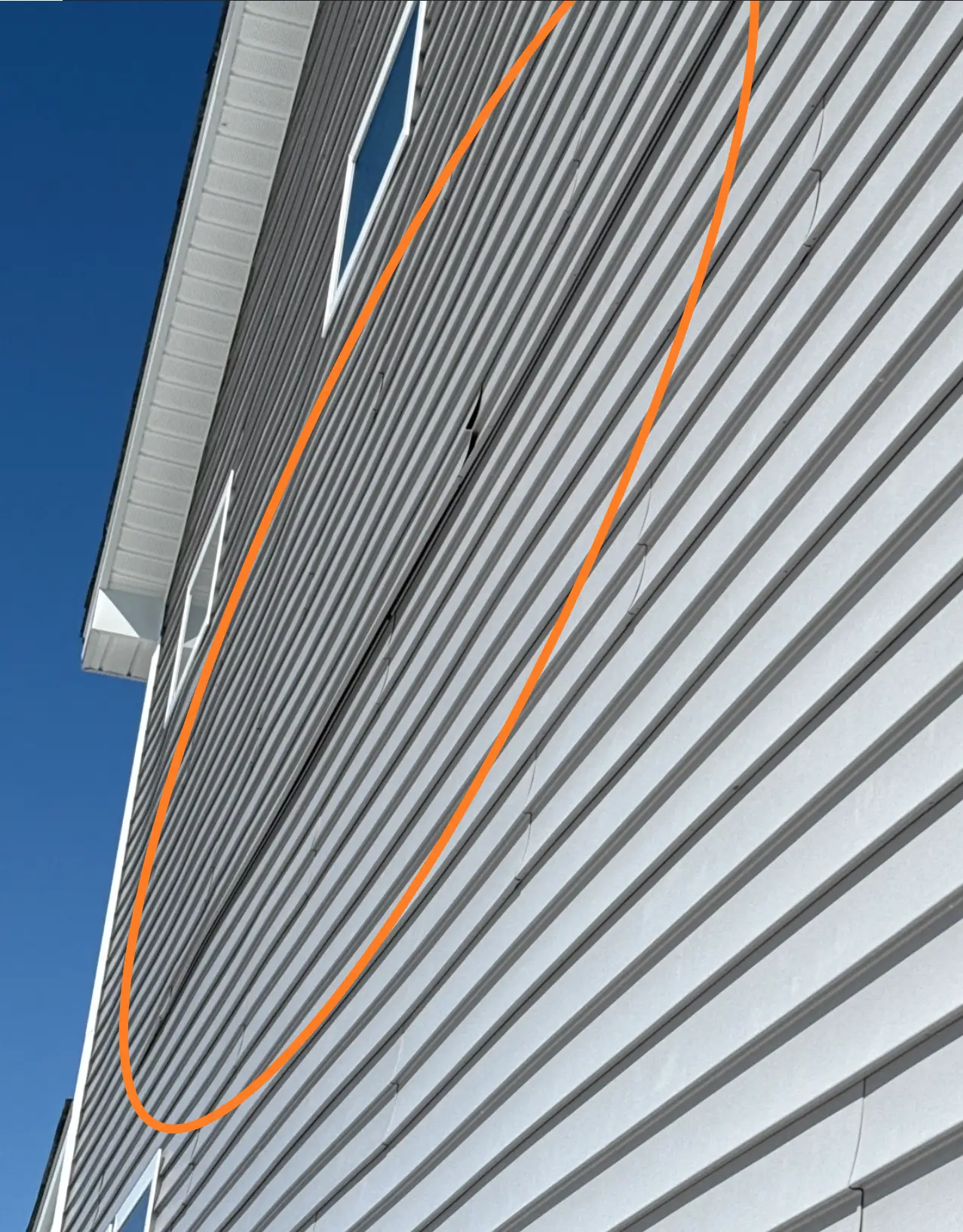
Loose Exterior Siding
A siding panel is coming loose from the wall surface. Loose siding can allow moisture or pests to enter behind the material and should be secured to maintain proper coverage.
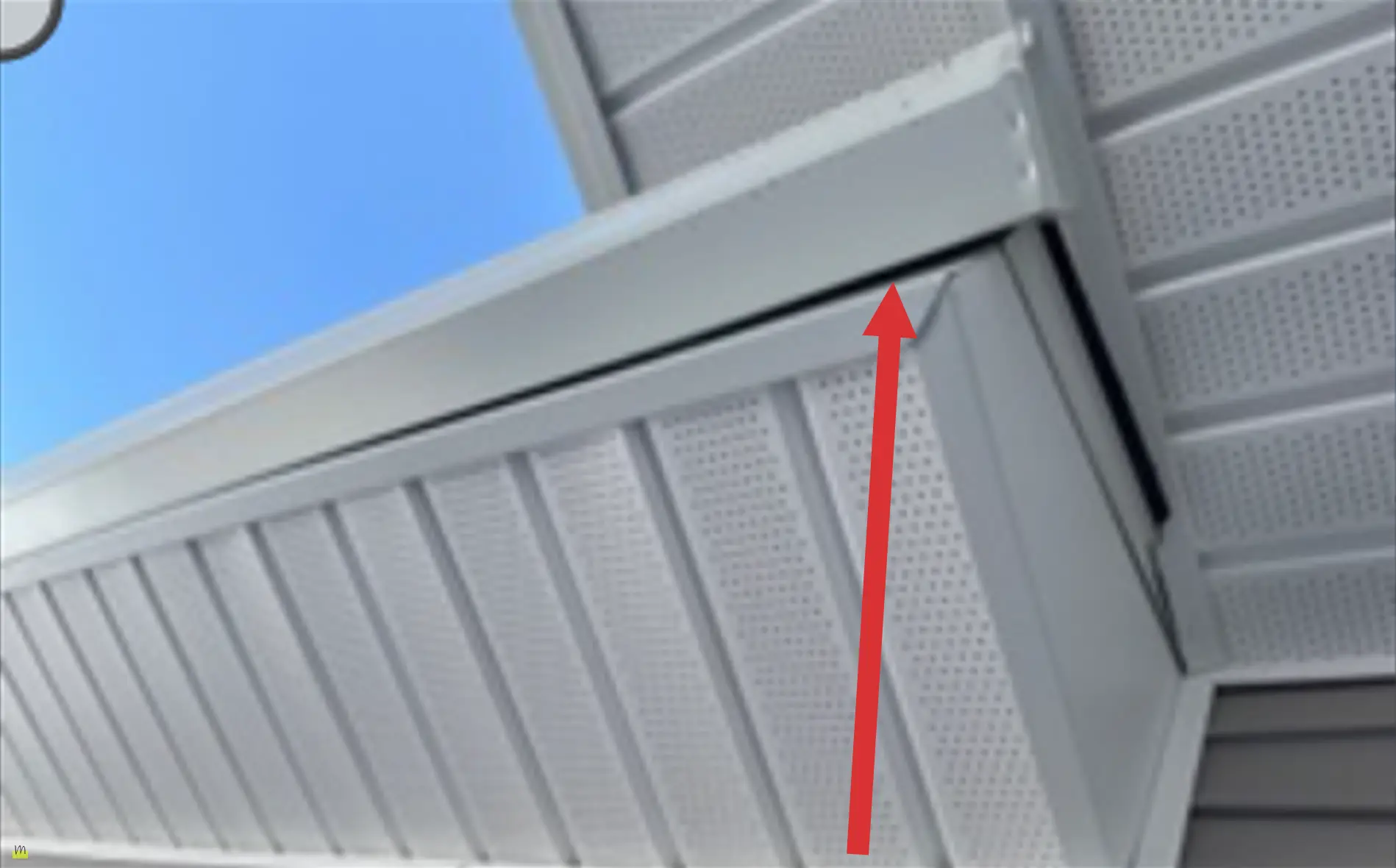
Gutter Pulling Away from Fascia
A section of gutter is pulling away from the fascia board. Gutters that are not properly secured may not drain correctly and can allow water to run behind the system.
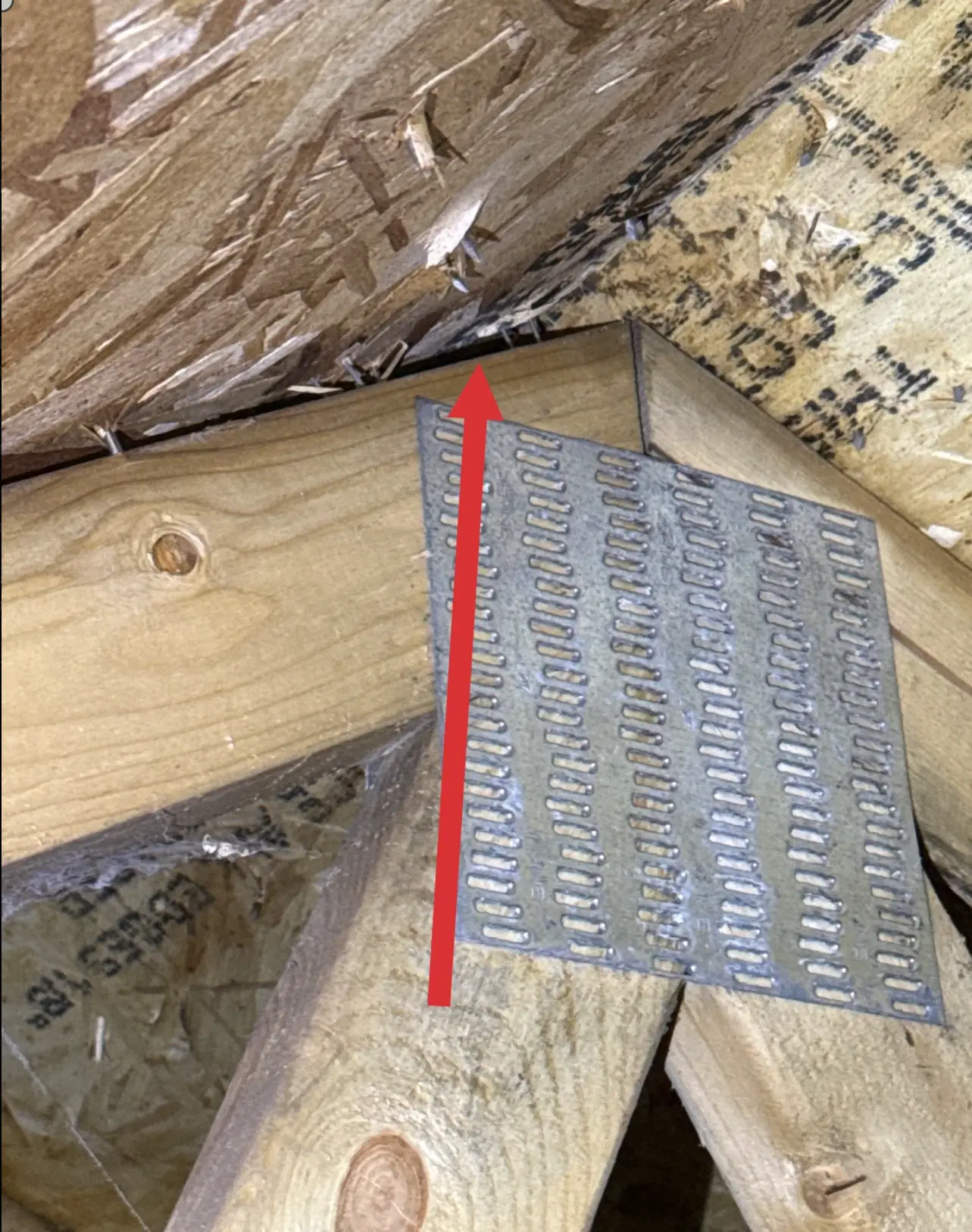
OSB Roof Sheathing Not Sitting Flush on Rafters
A section of OSB roof sheathing is not fully seated against the rafters. Gaps between sheathing and framing can affect how the roof surface is supported and should be evaluated to ensure proper installation.
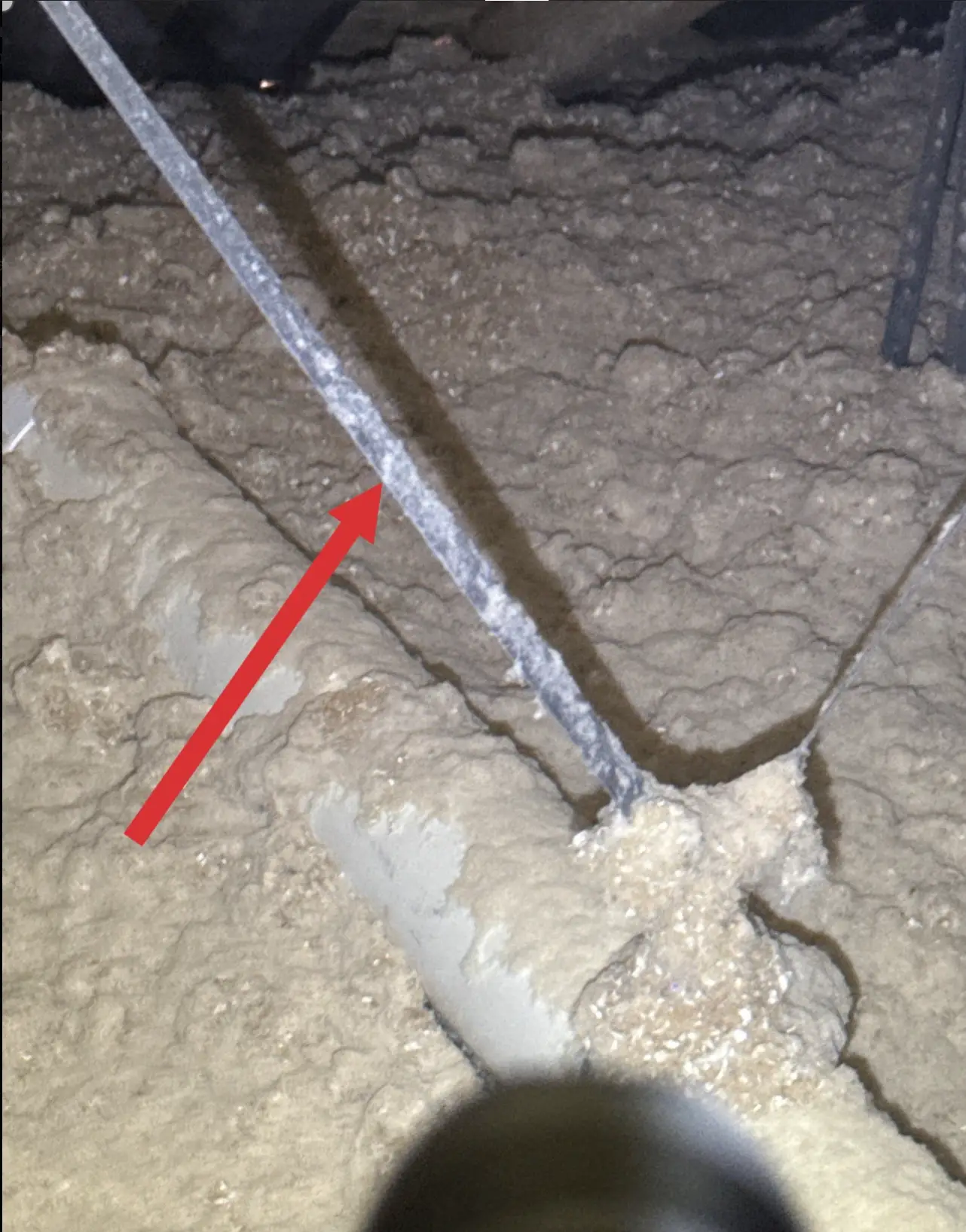
PVC Vent Pipe Supported with Metal Strap
A PVC vent pipe is being supported with a perforated metal strap. Metal strapping can create pressure points on PVC and is not the preferred support method for this type of piping.
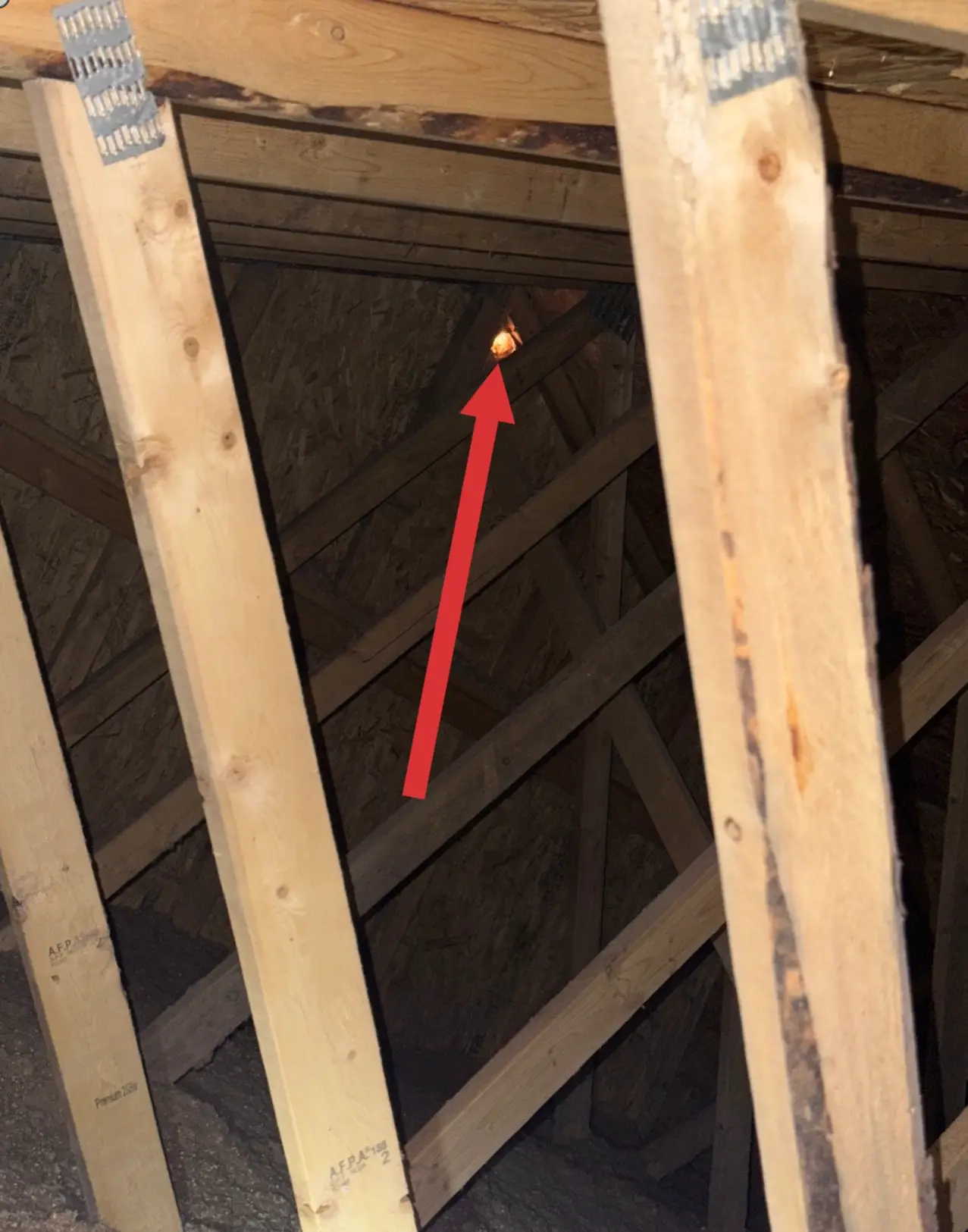
Daylight Visible Through Exterior Wall Opening
A hole in the exterior wall sheathing is allowing daylight into the attic. Openings in the building envelope can permit moisture, air, or pests to enter and should be properly sealed.